Snow mold
Posted in Lawn Diseases by Mark Boughter on
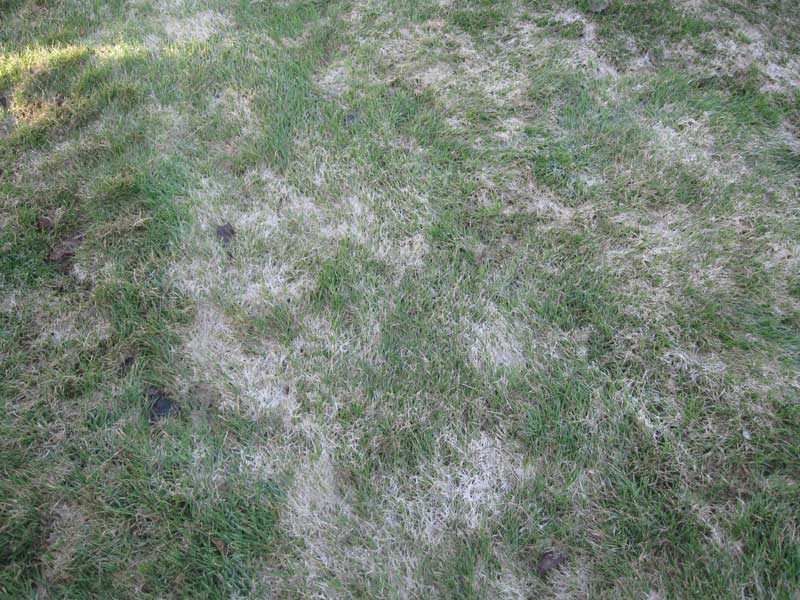
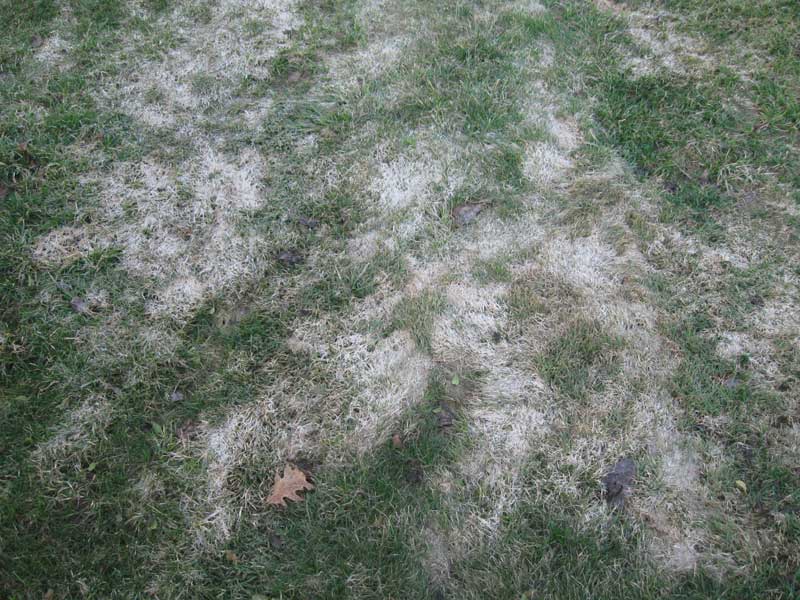
Due to the unprecedented amount of snow over the winter you may see slimy gray patches on your lawn. While it is caused by a fungus, it is commonly known as "snow mold". 
... read more

Call now!
(724) 698-5515
FREE ESTIMATES!
Posted in Lawn Diseases by Mark Boughter on
Due to the unprecedented amount of snow over the winter you may see slimy gray patches on your lawn. While it is caused by a fungus, it is commonly known as "snow mold". 
... read more
Posted in Lawn Pests by Mark A. Boughter on
At this time of the year many lawns can show the effects of hairy chinch bug infestation.
Small, dead brown patches in turf grass are the result of their feeding.
... read more
Posted in Mowing by Mark A. Boughter on
Recently more than one customer has asked me why I charge tax on mowing. The implication was that there is no tax on services in PA.
What does the law say about paying taxes on mowing? Let's find out ...
... read more
Posted in Fertilizing by Mark A. Boughter on
My pesticide business license came in the mail today so everthing is going as planned to finally be able to include fertilizing, weed control and lawn insect control to my list of services
Posted in Mowing by Mark A. Boughter on
Thursday's schedule is now very full. Taking lawns for Wednesday.
Water your lawn deeply and infrequently. Too little water can force the grass into dormancy and too frequent waterings can cause shallow roots which lessens the drought tolerance of your lawn.
If your mower blades are dull you will see the tips of the grass blades frayed giving the lawn a brownish cast.
Mow in a different direction each time to prevent ruts.
Do not remove more than 30% of the leaf tissue during a single mowing. If the lawn is growing quickly it requires more frequent mowings.
Aeration can help a lawn that is heavily compacted due to construction vehicles driving on the turf.
Mowing your lawn lower than it's recommended height only makes it grow faster to replace leaf tissue.
Mow at the recommended height for the type of grass that your lawn contains.
A general rule of thumb for this area is three inches.
Visible footprints in your lawn after walking on it means that the lawn most likely needs a thorough watering.
Overfertilizing causes surge growth of the grass blade as the plant tries to rid itself of the excess. Putting so much effort into growing the leaf tissue, root development suffers.